
Benjamin Thomas
Founder, Jurilingua · Certified legal translation
I run Jurilingua, a legal translation company that works with law firms, corporate legal departments and individuals across the United States. I also write the research behind our references, because after years of watching filings fail over a missing sentence in a translator’s certification, it was clear that nobody had written the rules down properly.
What I work on
- Certified translations for state and federal court filings, including translator affidavits drafted for the rule of the forum
- Immigration filings before USCIS and the immigration courts, to the 8 CFR 1003.33 standard
- Contracts, corporate records and financial documents in cross-border matters
- Multilingual document review and evidence translation in litigation
What I write about
- What American courts actually require before they will read a translated document
- The federal certification standards, and where USCIS, EOIR and consular practice diverge
- Language access in the courts, and the gap between the ABA Standards and state practice
- Why no U.S. jurisdiction certifies written translators, and what that means when you hire one
How I work
Every certification we issue names the translator and their credential, with contact details, because a translation is only as strong as the person willing to stand behind it. Everything I publish cites its primary source and carries the date it was last verified. When I get something wrong, I correct it and say so.
Published Research and Guides

Certified Translation Requirements in All 50 U.S. States
What every state expects of a translated document, in its courts, at its driver licensing agency, and in front of its notaries and vital records offices. One page, fifty-one jurisdictions, every rule linked to its official text.
USCIS & EOIR Certified Translation Requirements
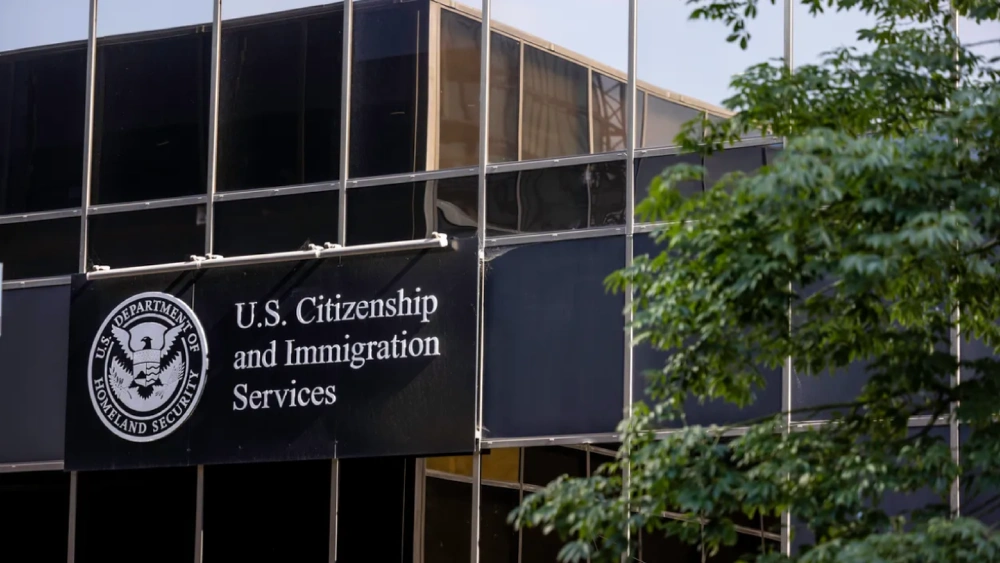
The three federal standards that decide whether your translated evidence is accepted: 8 CFR 103.2(b)(3) for USCIS, 8 CFR 1003.33 and the Practice Manual for the immigration courts, and the Department of State rule for consular cases.

How U.S. Courts Handle Foreign-Language Evidence
Our review of the rules of evidence, statutes and judiciary policies of all 51 jurisdictions. Five require a translator affidavit by rule. None certifies written translators. Six findings, four tables, sources throughout.

Court Interpreter & Translation Rules by State
The same research as a working tool: search any state, filter by court approach or driver licensing requirement, and see how each jurisdiction lines up with ABA Standards for Language Access in Courts 7 and 8.
Speaking, CLE and Press
I am available to bar associations, paralegal associations, legal aid organizations and CLE providers for sessions on working with foreign-language evidence: translator affidavits and the deadlines that govern them, contested translations, the certification standards of USCIS and the immigration courts, and confidentiality when a translator joins the legal team. These sessions are practice guidance, not sales presentations, and I do not charge for them.
Journalists and editors: I am happy to comment on language access in the courts, certified translation requirements, and the practical consequences of translation failures in litigation and immigration matters, and to share the underlying data from our 51-jurisdiction research.
Write to [email] or call [phone].
Get in touchWorking With Foreign-Language Documents?
Send us the file and the forum it is going to. We will tell you what the certification needs to say, and quote you within 30 minutes during business hours.
Request a certified translation